
Digital Transformation: Future-Proofing Vietnam's Family Businesses
Vietnam's family businesses are at a pivotal point, balancing tradition with the imperative of digital evolution. This article explores how embracing digital transformation can future-proof these enterprises, ensuring continuity and competitive advantage.
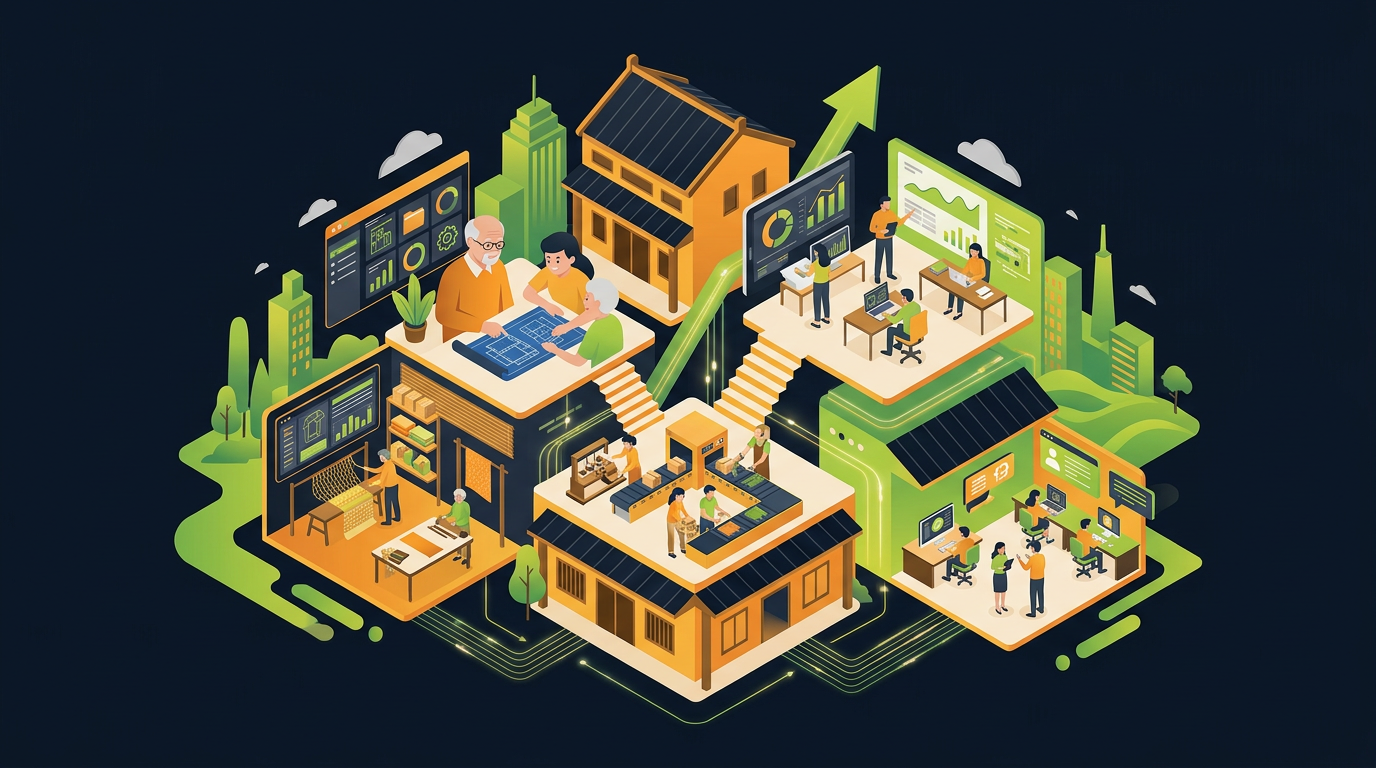
Vietnam's economic landscape is dynamic, with family businesses forming its resilient backbone. These enterprises, often built on generations of hard work and deep-rooted values, now face an unprecedented challenge and opportunity: digital transformation. The question isn't whether to transform, but how to do so effectively, preserving their unique heritage while securing a prosperous future in an increasingly digital world.
At LIMONCG, we understand the nuances of this journey for Vietnamese SMEs. We believe that digital transformation for family businesses in Vietnam is not just about adopting new technology; it's about a holistic shift in mindset, culture, and operations that empowers these businesses to innovate, optimize, and grow without sacrificing their core identity.
Why Digital Transformation is Critical for Vietnam's Family Businesses
The pressures on family businesses are mounting. Global competition, evolving consumer expectations, and the need for greater operational efficiency demand a proactive approach. Digital transformation offers a pathway to address these challenges head-on.
Navigating Generational Shifts and Succession Planning
Many family businesses in Vietnam are experiencing generational transitions. Younger generations, often more familiar with digital tools and global trends, bring new perspectives. Digital transformation can be a bridge, integrating their innovative ideas with the wisdom and experience of previous generations. It modernizes operations, making the business more attractive and sustainable for future leaders. This also aids in formalizing knowledge transfer and standardizing processes, crucial for smooth succession.
Enhancing Competitiveness in a Dynamic Market
Digital tools provide family businesses with the agility to compete with larger enterprises. From improving customer relationship management (CRM) to streamlining supply chains with enterprise resource planning (ERP) systems, technology levels the playing field. Access to data analytics allows for more informed decision-making, enabling quicker responses to market changes and identification of new opportunities.
Boosting Operational Efficiency and Cost Reduction
Manual, paper-based processes are time-consuming and prone to error. Digital transformation in Vietnam's family businesses directly addresses these inefficiencies. Automation of routine tasks, digital documentation, and integrated systems reduce operational costs, improve productivity, and free up valuable human resources to focus on strategic initiatives. This doesn't just cut costs; it enhances the overall quality and speed of business operations.
Expanding Market Reach and Customer Engagement
In the digital age, a business's reach is no longer limited by physical storefronts or local networks. E-commerce platforms, social media marketing, and digital customer service channels open up new markets both domestically and internationally. For family businesses, this means the opportunity to share their unique products or services with a much wider audience, fostering stronger customer relationships through personalized digital experiences.
Key Pillars of Digital Transformation for Family Businesses
Embracing digital change requires a structured approach. Based on our experience with SMEs in Vietnam, we recommend focusing on these core areas:
- Digital Strategy & Vision: Define clear goals for what digital transformation should achieve, aligning with the family's long-term vision and values.
- Technology Adoption: Select and implement appropriate technologies, from cloud computing and business intelligence tools to automation and cybersecurity solutions.
- Process Optimization: Re-engineer existing workflows to leverage digital tools, ensuring efficiency and consistency across all departments.
- Data-Driven Decision Making: Establish systems for collecting, analyzing, and acting upon data to gain insights into operations, market trends, and customer behavior.
- Digital Culture & Talent Development: Invest in training and upskilling employees, fostering a culture that embraces change, innovation, and continuous learning.
- Cybersecurity & Data Privacy: Implement robust measures to protect sensitive business and customer data, building trust and ensuring compliance.
Common Challenges and How to Overcome Them
Digital transformation is not without its hurdles, especially for family businesses where tradition often plays a significant role. Here are some common challenges and how to address them:
- Resistance to Change: Often stems from a fear of the unknown or disruption of established routines. Overcome this through clear communication, demonstrating the benefits, and involving employees in the transformation process from the outset.
- Lack of Digital Skills: Bridge this gap through targeted training programs, workshops, and potentially hiring new talent with specific digital expertise. Partnering with external consultants like LIMONCG can also provide the necessary skills.
- Budget Constraints: Start small with pilot projects that demonstrate quick wins and a clear return on investment (ROI). Prioritize technologies that offer the most immediate impact and scalability.
- Choosing the Right Technology: The market is flooded with options. A thorough needs assessment and strategic planning are crucial. Avoid 'shiny object syndrome' and focus on solutions that genuinely solve business problems and align with long-term goals.
- Maintaining Family Values: Digital transformation should reinforce, not erode, core family values. Technology can be used to formalize knowledge, document history, and streamline communication, thereby strengthening the family's legacy.
Real-World Impact: What Successful Digital Transformation Looks Like
Imagine a traditional Vietnamese textile manufacturer. Before digital transformation, orders were managed via spreadsheets, inventory tracked manually, and customer communication was fragmented. Post-transformation, they might:
- Implement an ERP system that integrates sales, production, inventory, and accounting, providing real-time data.
- Launch an e-commerce platform to reach global buyers directly, bypassing intermediaries.
- Use CRM software to personalize customer interactions and track sales leads more effectively.
- Automate production scheduling using AI-driven tools, optimizing resource allocation and reducing waste.
- Utilize data analytics to identify best-selling designs and forecast demand accurately.
The result? Increased revenue, reduced operational costs, improved customer satisfaction, and a stronger competitive position – all while upholding the craftsmanship and quality that defines their family brand.
The LIMONCG Approach to Digital Transformation for Family Businesses
At LIMONCG, we don't offer generic solutions. We understand that each family business in Vietnam has a unique heritage, structure, and set of challenges. Our approach involves:
- Discovery & Assessment: Deep dive into your current operations, identify pain points, and understand your family's vision and values.
- Tailored Strategy Development: Crafting a digital transformation roadmap that aligns with your specific goals, budget, and cultural context.
- Implementation Support: Guiding you through technology selection, deployment, and integration, ensuring smooth transitions.
- Training & Change Management: Equipping your team with the skills and mindset needed to embrace new digital ways of working.
- Ongoing Optimization: Providing continuous support and monitoring to ensure your digital investments deliver sustained value.
FAQ
Q: Is digital transformation too expensive for my family business?
A: Not necessarily. We help family businesses prioritize investments and implement solutions incrementally. Many cloud-based tools offer affordable subscription models, and government incentives for digital adoption are also available. The long-term ROI often far outweighs the initial investment.
Q: How do we get older generations on board with digital changes?
A: Focus on demonstrating tangible benefits, such as reduced workload, clearer financial reporting, or improved security. Involve them in decision-making, offer personalized training, and highlight how technology can safeguard the family's legacy and ensure continuity.
Q: Will digital transformation make our business lose its traditional charm?
A: No, quite the opposite. Digital transformation can help preserve and even enhance your traditional charm by freeing up resources to focus on core craft or service, improving quality control, and reaching a wider audience who appreciate your unique offerings. It modernizes the delivery without compromising the essence.
Take the Next Step with LIMONCG
Embracing digital transformation for family businesses in Vietnam is not merely an option; it's an imperative for sustainable growth. Let LIMONCG help your family business navigate this exciting journey, ensuring your legacy thrives in the digital age. Contact us today to discuss your digital transformation strategy.

