Digital Transformation: Sustaining Vietnam's Family Businesses
Family businesses are the backbone of Vietnam's economy, but navigating the modern landscape requires more than tradition. Digital transformation offers a powerful pathway to enhance operations, drive innovation, and ensure long-term sustainability for these vital enterprises.
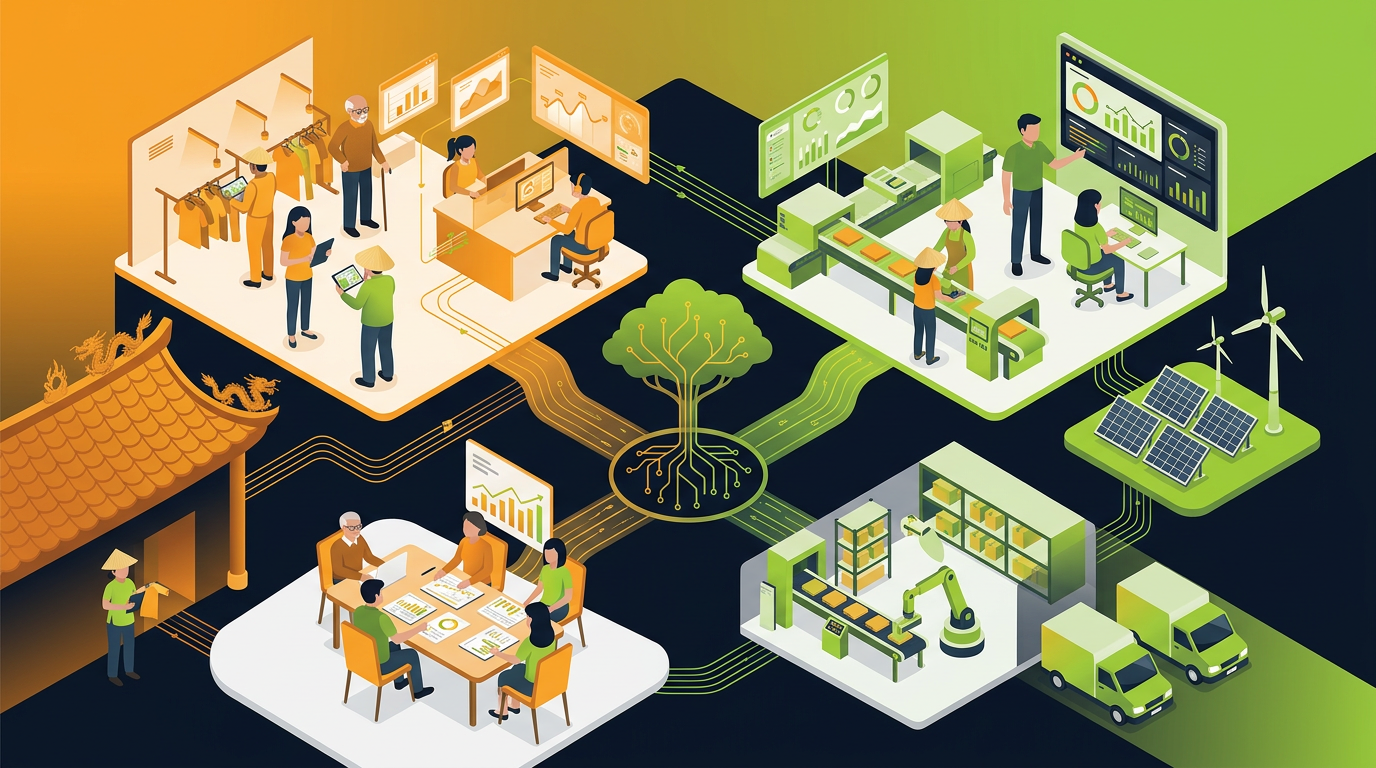
The landscape for family businesses in Vietnam is evolving rapidly. While tradition and strong familial bonds have historically been cornerstones of success, the demands of a globalized, tech-driven market require a new approach. Digital transformation is no longer a luxury but a necessity for ensuring the longevity and competitiveness of these vital enterprises.
For many family businesses, the idea of 'digital transformation' can seem daunting – a complex, expensive endeavor reserved for large corporations. However, at its core, it's about leveraging technology to improve how you operate, serve customers, and make decisions. It's about adapting your legacy to thrive in the future.
Why Digital Transformation is Critical for Vietnam's Family Businesses
Vietnam's economy is dynamic, with increasing competition and rising customer expectations. Family businesses, often characterized by their deep roots and long-term vision, are uniquely positioned to benefit from strategic digital adoption. The benefits extend beyond mere efficiency gains:
- Enhanced Operational Efficiency: Automating manual processes frees up valuable time and resources, allowing staff to focus on strategic tasks rather than repetitive ones. This means faster order processing, better inventory management, and streamlined back-office functions.
- Improved Customer Experience: Digital channels enable personalized communication, faster service, and more convenient purchasing options. From online ordering to digital loyalty programs, technology builds stronger customer relationships.
- Data-Driven Decision Making: Moving beyond intuition, digital tools provide actionable insights into sales trends, customer behavior, and operational bottlenecks, empowering more informed strategic choices.
- Innovation and Market Expansion: Digital platforms open doors to new markets, business models, and product offerings, helping family businesses diversify and stay ahead of the curve.
- Attracting and Retaining Talent: Younger generations of employees, including family members, expect modern tools and digital-first workplaces. Embracing technology makes your business more attractive to skilled professionals.
- Succession Planning and Legacy Preservation: Digitalizing knowledge, processes, and historical data ensures that critical information isn't lost during generational transitions. It builds a robust, future-ready foundation for the next leadership.
Common Challenges and How to Overcome Them
While the benefits are clear, family businesses often face unique hurdles in their digital journey. Understanding these challenges is the first step towards overcoming them.
Resistance to Change
Tradition is powerful, and often, established ways of working are deeply ingrained. Older generations, particularly those who built the business from the ground up, might be skeptical of new technologies.
- Solution: Start small with pilot projects that demonstrate clear, tangible benefits quickly. Involve key family members and long-term employees in the planning process. Showcase how technology can complement tradition, not replace it, by preserving core values while improving execution.
Limited Budget and Resources
Many SMEs operate with tight budgets, making significant technology investments seem prohibitive.
- Solution: Prioritize. Identify areas where digital transformation can yield the highest return on investment (ROI) or address critical pain points. Explore cloud-based, subscription-model software (SaaS) which often has lower upfront costs. Government incentives or grants for digital adoption might also be available for Vietnamese SMEs.
Lack of Digital Skills Internally
The existing workforce may lack the necessary digital literacy or specialized IT skills to implement and manage new systems.
- Solution: Invest in training for existing staff. Look for user-friendly platforms that minimize the learning curve. For more complex needs, consider partnering with external experts or consultants who can guide the process and provide ongoing support.
Data Security Concerns
Protecting sensitive business and customer data is a top concern, especially when moving to digital systems.
- Solution: Partner with reputable technology providers and consultants who prioritize data security. Implement robust cybersecurity measures, employee training on data handling, and ensure compliance with relevant data protection regulations.
Practical Steps for Digital Transformation in Your Vietnamese Family Business
Embarking on a digital transformation journey requires a structured approach. Here's a practical roadmap:
- Assess Your Current State:
- Identify current operational bottlenecks and inefficiencies.
- Determine existing technological capabilities and gaps.
- Understand customer touchpoints and their current experience.
- Define Clear Goals and Vision:
- What specific problems do you want to solve? (e.g., reduce order processing time by 30%, increase online sales by 20%)
- How will digital transformation align with your family's long-term vision and values?
- Establish key performance indicators (KPIs) to measure success.
- Prioritize Key Areas:
- Start with departments or processes that offer the quickest wins or address the most pressing issues.
- Consider areas like customer relationship management (CRM), enterprise resource planning (ERP), e-commerce, or data analytics.
- Develop a Phased Implementation Plan:
- Break down the transformation into manageable stages.
- Allocate resources and set realistic timelines for each phase.
- Involve key stakeholders from different generations and departments.
- Invest in the Right Technology and Training:
- Choose scalable, user-friendly solutions that fit your specific needs.
- Provide comprehensive training and ongoing support for your employees.
- Emphasize the 'why' behind the change to foster adoption.
- Monitor, Evaluate, and Adapt:
- Continuously track your KPIs and gather feedback.
- Be prepared to adjust your strategy based on results and new opportunities.
- Digital transformation is an ongoing journey, not a one-time project.
Key Technologies to Consider:
- Cloud Computing: For scalable infrastructure, reduced IT costs, and remote accessibility.
- E-commerce Platforms: To expand market reach and streamline sales.
- Customer Relationship Management (CRM): To manage customer interactions, sales, and marketing efforts.
- Enterprise Resource Planning (ERP): For integrating core business processes like finance, HR, and supply chain.
- Business Intelligence (BI) Tools: For data analysis and insightful reporting.
- Automation Tools: For repetitive tasks in accounting, HR, or operations.
FAQ
Q: Is digital transformation too expensive for a small family business?
A: Not necessarily. Many modern digital solutions are cloud-based and offered on a subscription model, significantly reducing upfront costs. Focusing on high-impact areas first and phasing your approach can also make it more affordable. The cost of not transforming often outweighs the investment.
Q: How can I convince older family members to embrace digital changes?
A: Focus on practical benefits they value: increased efficiency, cost savings, better customer loyalty, and how these changes will secure the business's future for the next generation. Start with small, non-disruptive changes that quickly show positive results, and involve them in the decision-making process.
Q: What's the first step we should take?
A: The very first step is to conduct a thorough assessment of your current operations, pain points, and existing technology. This will help you identify the most critical areas where digital solutions can make the biggest impact and align with your business goals.
Securing Your Legacy in the Digital Age
Digital transformation for family businesses in Vietnam isn't just about adopting new tools; it's about evolving your business model to thrive in the 21st century. It's about preserving the essence of what makes your family business unique while embracing the innovations that will carry it forward for generations to come. By thoughtfully integrating technology, you can enhance operational excellence, strengthen customer relationships, and ensure a vibrant future.
Ready to navigate your family business's digital journey? Contact LIMONCG today.

