Choosing Your AI Consultant: A Strategic Guide for SEA SMEs
Selecting the right AI consulting vendor is crucial for SMEs in Vietnam and the Philippines. This guide provides a strategic framework to evaluate potential partners, ensuring your investment in artificial intelligence drives real business value and sustainable growth.
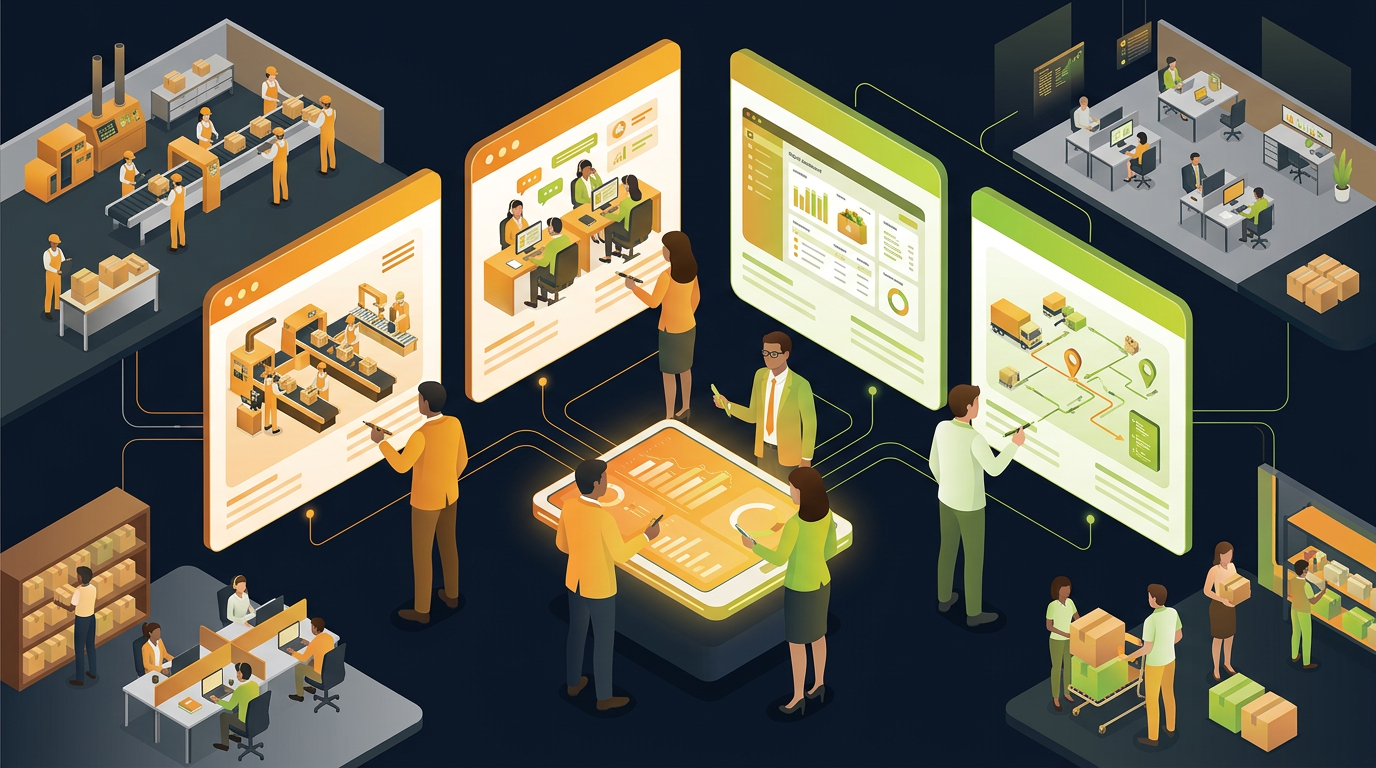
Embarking on an AI transformation journey can be a game-changer for small and medium-sized enterprises (SMEs) in Southeast Asia, particularly in dynamic markets like Vietnam and the Philippines. The right AI solutions can unlock efficiencies, foster innovation, and create significant competitive advantages. However, the path to AI success isn't always straightforward, and a critical first step is making an informed AI consulting vendor selection. This decision can profoundly impact your project's outcome, cost-effectiveness, and long-term success.
Many SMEs feel overwhelmed by the sheer number of consultants claiming AI expertise. How do you cut through the noise and identify a partner who truly understands your business context, local market nuances, and specific operational challenges? This article will guide you through a strategic framework for evaluating and selecting an AI consultant that aligns with your unique needs and aspirations.
Why Strategic AI Consulting Vendor Selection Matters for SMEs
For SMEs, every investment counts. Unlike larger corporations with dedicated innovation budgets, your AI initiatives must deliver tangible ROI quickly. A mismatched consultant can lead to wasted resources, delayed projects, and disillusionment with AI's potential. Conversely, a well-chosen partner brings more than just technical skill; they offer strategic foresight, change management expertise, and a deep understanding of how AI integrates into existing operations.
Avoiding Common Pitfalls
Without a structured approach to AI consulting vendor selection, SMEs often fall into traps like:
- Overpaying for Generic Solutions: Consultants pitching one-size-fits-all AI without understanding your specific pain points.
- Lack of Local Relevance: Solutions that work in one market might not be suitable for the regulatory or cultural landscape of Vietnam or the Philippines.
- Poor Integration: AI systems that don't seamlessly connect with your existing infrastructure, creating more problems than they solve.
- Insufficient Change Management: Technical solutions without a plan for adoption by your team can fail regardless of their sophistication.
Key Criteria for Evaluating AI Consulting Vendors
When assessing potential AI partners, look beyond flashy presentations and focus on these critical areas:
1. Proven Expertise and Relevant Experience
Technical proficiency in AI is non-negotiable. Your consultant must demonstrate a strong command of machine learning, natural language processing, computer vision, and other relevant AI domains. However, equally important is their experience within your industry or with similar business challenges.
- Industry-Specific Knowledge: Have they worked with SMEs in your sector (e.g., manufacturing, retail, logistics)? Do they understand your industry's data types, operational processes, and compliance requirements?
- Case Studies and Testimonials: Request detailed case studies showcasing successful AI implementations, especially those for SMEs in Southeast Asia. Look for measurable outcomes (e.g., cost savings, efficiency gains, revenue increase).
- Team Competence: Inquire about the specific team members who will be assigned to your project. What are their qualifications, certifications, and direct experience?
2. Strategic Alignment and Business Acumen
An AI consultant shouldn't just build technology; they should help you strategically leverage it. They need to understand your business goals first, then propose AI solutions that serve those objectives.
- Problem-First Approach: Do they start by understanding your business challenges and opportunities before jumping into AI solutions? A good consultant asks probing questions about your operations, market, and strategic vision.
- ROI Focus: Can they articulate how their proposed AI solutions will deliver a clear return on investment for your SME? This involves more than just cost; it includes competitive advantage, scalability, and future growth potential.
- Long-term Vision: Are they thinking beyond the initial project to how AI can evolve within your organization? This includes scalability, maintenance, and future integration with other systems.
3. Local Market Understanding and Cultural Fit
For SMEs in Vietnam and the Philippines, a consultant's grasp of the local business environment is invaluable. This goes beyond language; it includes understanding regulatory frameworks, consumer behavior, and local work culture.
- Local Presence/Partnerships: Do they have a physical presence or established partnerships in Vietnam or the Philippines? This can facilitate better communication, faster response times, and a deeper understanding of local nuances.
- Regulatory Compliance: Can they advise on data privacy laws (e.g., PDPA in the Philippines) and other local regulations relevant to AI implementation?
- Cultural Sensitivity: Effective change management often hinges on understanding local work ethics and communication styles. A culturally aware consultant can navigate these aspects more smoothly.
4. Transparent Methodology and Communication
Clarity in process and open communication are vital for a successful consulting engagement.
- Clear Project Roadmap: Do they provide a detailed project plan with defined milestones, deliverables, timelines, and responsibilities?
- Communication Protocols: How often will they communicate? What reporting mechanisms are in place? Ensure there's a clear point of contact and regular updates.
- Risk Management: How do they identify and mitigate risks associated with AI implementation, such as data quality issues, technical challenges, or adoption hurdles?
5. Post-Implementation Support and Knowledge Transfer
AI isn't a one-off project; it requires ongoing management and evolution. Your consultant should empower your team, not create dependency.
- Training and Upskilling: Do they offer training for your internal teams to manage and maintain the AI systems post-implementation?
- Maintenance and Support: What kind of ongoing support or service level agreements (SLAs) do they offer for the deployed AI solutions?
- Documentation: Is there thorough documentation provided for all deployed systems, models, and processes?
Your AI Consulting Vendor Selection Checklist
To simplify your evaluation, use this checklist during your interviews and assessment:
- Does the vendor demonstrate strong, relevant AI expertise and a track record of success with SMEs?
- Do they clearly understand our business goals and propose AI solutions that align with them?
- Do they possess significant local market knowledge of Vietnam or the Philippines?
- Is their project methodology transparent, with clear communication channels?
- Do they offer robust post-implementation support and knowledge transfer?
- Are their pricing structures clear and justified, offering good value for money?
- Do they prioritize data security and ethical AI practices?
By diligently addressing these points during your AI consulting vendor selection process, you empower your SME to make a confident decision that sets the stage for a successful and impactful AI journey.
FAQ
Q1: How much should an SME budget for AI consulting services?
A1: AI consulting costs vary widely based on project scope, complexity, and consultant experience. Instead of a fixed budget, focus on the projected ROI. Start with smaller, impactful pilot projects to demonstrate value and scale investments gradually.
Q2: What's the biggest mistake SMEs make when choosing an AI consultant?
A2: The most common mistake is focusing solely on technical prowess without evaluating the consultant's business acumen or cultural fit. An AI solution, however brilliant, will fail if it doesn't solve a real business problem or isn't adopted by your team.
Q3: How important is a local presence for an AI consultant in Southeast Asia?
A3: A local presence or strong local partnerships are highly beneficial. They ensure a deeper understanding of market dynamics, regulatory compliance, and cultural nuances, which can significantly impact project success and smooth implementation for SMEs in Vietnam and the Philippines.
Ready to find the right AI consulting partner to transform your SME? Contact us today to discuss your AI journey. /contact

