AI Agents: Unlocking SME Potential in Southeast Asian Operations
AI agents are no longer just for large enterprises. For Southeast Asian SMEs, these intelligent tools offer a significant opportunity to streamline operations, enhance decision-making, and drive efficiency without massive capital investment.
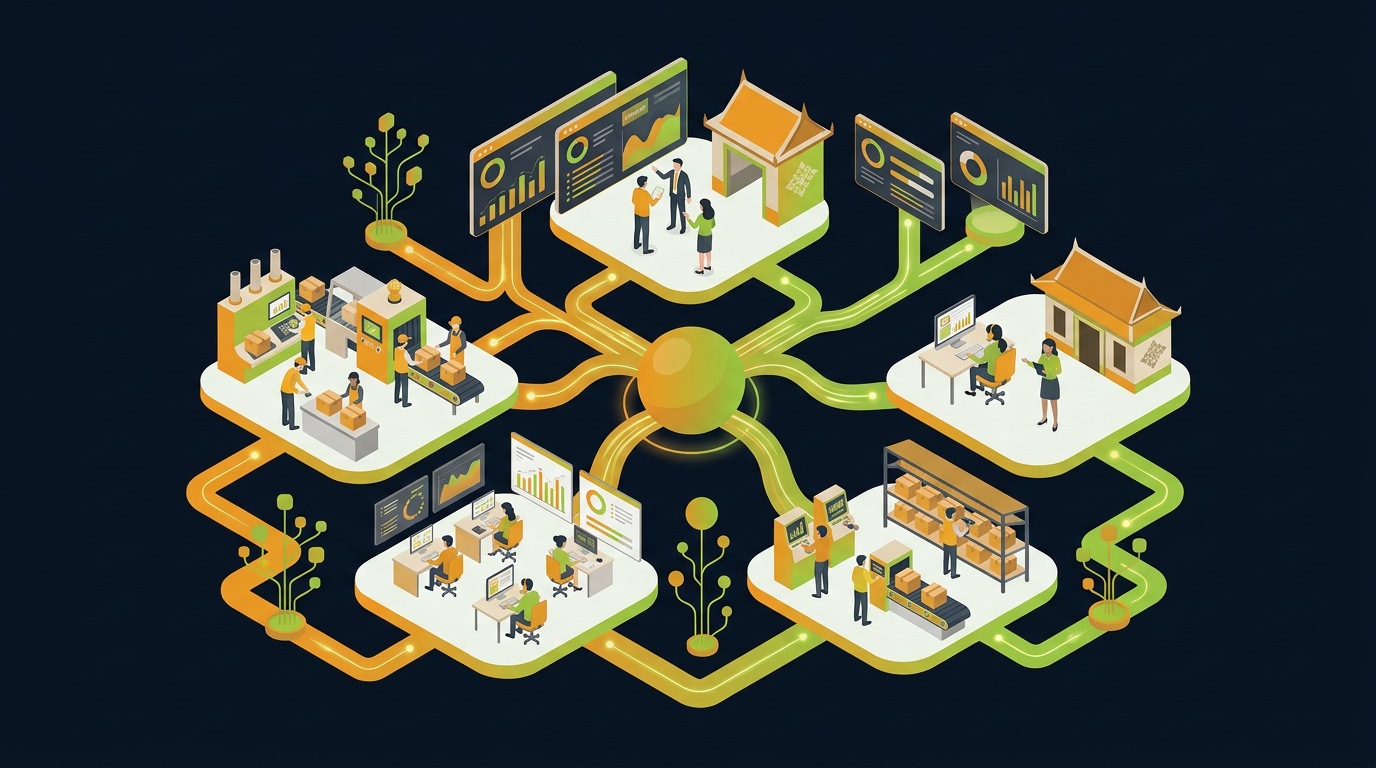
The landscape for small and medium-sized enterprises (SMEs) in Southeast Asia is dynamic, often characterized by rapid growth, competitive pressures, and the constant need for operational efficiency. In this environment, the concept of AI agents is emerging as a powerful game-changer, offering practical solutions to everyday business challenges. These aren't futuristic robots but sophisticated software programs designed to perform specific tasks, learn from data, and make autonomous decisions, significantly boosting productivity and innovation across various business functions.
AI agents represent a crucial next step in digital transformation, moving beyond simple automation to intelligent, self-optimizing processes. For SMEs in Vietnam and the Philippines, leveraging these tools can mean the difference between merely keeping up and truly leading in their respective markets. This article explores how AI agents can revolutionize your SME's operations, detailing practical applications, benefits, and a roadmap for successful adoption.
What Exactly Are AI Agents for SMEs?
At their core, AI agents are software entities equipped with artificial intelligence capabilities, enabling them to perceive their environment, make decisions, and act autonomously to achieve predefined goals. Think of them as intelligent digital assistants, capable of handling repetitive, data-intensive, or complex tasks with a level of precision and speed that human employees often cannot match. Unlike traditional automation scripts, AI agents can adapt, learn from new information, and even anticipate needs, making them invaluable for optimizing various operational facets.
For an SME, this means deploying specialized agents to manage customer inquiries, analyze market trends, optimize supply chains, or even automate internal administrative processes. The beauty lies in their scalability and their ability to free up human talent for more strategic, creative, and value-adding activities.
Types of AI Agents Relevant to SME Operations
Not all AI agents are created equal, and understanding the different types can help SMEs identify where they can derive the most value:
- Rule-Based Agents: These operate on a set of predefined rules. While less flexible, they are excellent for automating straightforward, repetitive tasks like data entry, report generation, or basic customer service responses.
- Goal-Based Agents: These agents have a specific objective and use search or planning algorithms to achieve it. Examples include route optimization in logistics or inventory management systems that aim to minimize stockouts while reducing holding costs.
- Utility-Based Agents: More sophisticated, these agents aim to maximize their 'utility' or overall performance, considering various factors and predicting outcomes. They are often used in dynamic pricing, personalized marketing, or complex resource allocation.
- Learning Agents: These are the most advanced, capable of learning from experience and adapting their behavior over time. They are crucial for tasks that involve pattern recognition, predictive analytics, and continuous improvement, such as fraud detection or demand forecasting.
Practical Applications of AI Agents in SME Operations
The real power of AI agents becomes apparent when you consider their tangible applications across various departments within an SME. They can transform routine tasks into efficient, automated workflows, allowing your team to focus on growth and innovation.
Customer Service and Engagement
Customer-facing operations are often the first area where SMEs see immediate benefits from AI agents. By automating responses and personalizing interactions, businesses can significantly enhance customer satisfaction.
- Chatbots and Virtual Assistants: Handle routine inquiries, provide instant support, answer FAQs, and even guide customers through purchasing processes 24/7. This reduces call center load and improves response times.
- Sentiment Analysis Agents: Monitor customer feedback across social media and review platforms, identifying common pain points or emerging trends, allowing for proactive service improvements.
- Personalized Recommendations: Analyze customer behavior and preferences to suggest products or services, driving sales and improving the customer experience.
Back-Office and Administrative Tasks
Many SMEs are burdened by manual, repetitive back-office tasks that consume valuable time and resources. AI agents excel at streamlining these processes.
- Automated Data Entry: Extract information from invoices, forms, and documents, populating databases and reducing human error.
- Financial Reconciliation: Match transactions, flag discrepancies, and automate financial reporting, improving accuracy and speed in accounting departments.
- HR Onboarding and Support: Manage new employee paperwork, answer common HR questions, and automate scheduling, freeing up HR personnel.
Supply Chain and Logistics Optimization
For SMEs dealing with physical goods, optimizing the supply chain is critical. AI agents can bring unprecedented levels of efficiency and foresight.
- Demand Forecasting: Analyze historical sales data, market trends, and external factors to predict future demand accurately, minimizing overstocking and stockouts.
- Inventory Management: Monitor stock levels in real-time, automate reordering, and optimize warehouse layouts for faster picking and packing.
- Route Optimization: Plan the most efficient delivery routes, considering traffic, weather, and delivery windows, reducing fuel costs and delivery times.
Sales and Marketing
Driving sales and marketing efforts becomes more intelligent and targeted with the help of AI agents.
- Lead Qualification: Score and prioritize leads based on their likelihood to convert, ensuring sales teams focus on the most promising opportunities.
- Content Generation: Assist in creating marketing copy, social media posts, or email campaigns, leveraging data-driven insights for better engagement.
- Market Research: Continuously monitor competitor activities, market trends, and consumer behavior, providing actionable insights for strategic planning.
Benefits of Implementing AI Agents for Your SME
Adopting AI agents is not just about keeping up with technology; it's about securing a competitive edge and fostering sustainable growth. The benefits for SMEs are substantial and multifaceted.
- Increased Operational Efficiency: Automating repetitive and time-consuming tasks allows employees to focus on higher-value activities, leading to greater overall productivity.
- Cost Reduction: By automating processes and optimizing resource allocation, SMEs can significantly lower operational costs related to labor, inventory, and logistics.
- Improved Accuracy and Reduced Errors: AI agents minimize human error in data processing, calculations, and decision-making, leading to more reliable outcomes.
- Enhanced Customer Experience: 24/7 support, personalized interactions, and faster response times contribute to higher customer satisfaction and loyalty.
- Data-Driven Decision Making: AI agents analyze vast amounts of data to provide actionable insights, enabling more informed and strategic business decisions.
- Scalability: AI agents can handle increased workloads without proportional increases in human resources, allowing SMEs to scale operations efficiently.
- Competitive Advantage: Early adoption of AI agent technology can differentiate your SME from competitors, positioning you as an innovator.
Getting Started with AI Agents: A Roadmap for SEA SMEs
Implementing AI agents doesn't have to be a daunting task. A strategic, phased approach can ensure successful adoption and a positive ROI for your SME.
- Identify Pain Points: Begin by pinpointing specific operational bottlenecks, repetitive tasks, or areas where errors frequently occur. These are prime candidates for AI agent solutions.
- Define Clear Objectives: What do you want the AI agent to achieve? Is it to reduce customer service response time by 30%? Cut data entry errors by 50%? Specific goals will guide your implementation.
- Start Small, Scale Up: Don't try to automate everything at once. Choose a pilot project with a clear scope and measurable outcomes. Success in a small area builds confidence and provides valuable learning.
- Data Preparation is Key: AI agents rely on data. Ensure your data is clean, organized, and accessible. Poor data quality will lead to poor agent performance.
- Choose the Right Tools/Partners: Evaluate commercially available AI agent platforms or consider partnering with an expert like LIMONCG to develop custom solutions tailored to your specific needs.
- Train Your Team: Prepare your employees for the change. Educate them on how AI agents will augment their roles, not replace them, fostering adoption and collaboration.
- Monitor and Refine: AI agent performance should be continuously monitored. Collect feedback, analyze results, and iterate to improve their effectiveness over time.
FAQ
Q: Are AI agents suitable only for large corporations?
A: Not at all. Modern AI agent solutions are increasingly accessible and scalable for SMEs, offering significant benefits in efficiency and cost savings without requiring enterprise-level budgets or IT infrastructure.
Q: What's the biggest challenge for SMEs adopting AI agents?
A: Often, the biggest challenge is not the technology itself, but rather having clean, organized data and securing internal buy-in for change. A clear strategy and proper preparation can mitigate these issues.
Q: How long does it take to see ROI from AI agent implementation?
A: The timeframe varies by the complexity of the task and the quality of implementation. However, for well-defined pilot projects, SMEs can often see tangible returns within 3-6 months, especially in areas like customer service or data processing.
Unlocking the full potential of your SME in Southeast Asia requires embracing intelligent tools that can propel you forward. AI agents are not just a trend; they are a fundamental shift in how businesses can operate more smartly, efficiently, and competitively. By strategically integrating these intelligent assistants into your operations, you're not just automating tasks—you're building a more resilient, agile, and future-ready enterprise.
Ready to explore how AI agents can transform your SME's operations? Contact us to discuss your digital transformation journey today at /contact.

